Designing the Ideal Custom Produce Boxes: A Step-by-Step Guide
Creating custom produce boxes demands a calculated method. Experts must evaluate environmental responsibility, functionality, and visual appeal. Choosing the appropriate materials is essential for maintaining freshness and promoting eco-friendly practices. Additionally, dimensions and shape can greatly impact usability and transport efficiency. Effective graphics strengthen company identity, while thorough evaluation guarantees durability. Understanding these elements will reveal key insights into developing standout packaging designs that connect with customers. What comes after is fundamental to achieving those goals.
Determining the Best Options for Custom Produce Boxes
When determining materials for custom produce boxes, it is important to examine both practical use and environmental consideration. The type of material substantially impacts the box's wear resistance, weight, and ability to protect the contents. Common materials include corrugated cardboard, which offers strength and is recyclable, making it a favored choice for environmentally conscious businesses. Compostable options, such as molded pulp or plant-based plastics, also align with eco-conscious practices while providing ample protection for delicate produce.
Additionally, water resistance is important for preserving product freshness, moving some producers to examine specially processed substances or specialized coatings. The aesthetic appeal of the box must not be ignored, as branding and visual presentation can impact consumer perception. Ultimately, the proper selection should achieve balance between preserving the goods, satisfying consumer preferences, and adhering to environmental standards, ensuring both functionality and sustainability are prioritized to the creation phase.
How to Decide on Size and Shape for Functionality?
When opting for the form and dimensions of custom produce boxes, careful assessment of produce measurements is crucial for effective storage. Additionally, considerations for movement and transportation can impact the box design, ensuring ease of movement. Optimizing shelf space usage further enhances functionality, allowing for efficient display and storage.
Assess Produce Dimensions Carefully
Determining the correct proportions for vegetable containers is important for functionality and efficiency. Thorough assessment of produce dimensions is essential, as it confirms that items fit firmly without extra room that might create damage during warehousing and delivery. Made-to-order view now containers need to handle various configurations, from tender fruits to large vegetables, while maintaining robustness. Additionally, the length and depth of the boxes should allow for proper layering and inventory control, optimizing space in warehouse spaces. A quality-built box not only preserves the produce but also enhances consumer appeal for end customers. Ultimately, deliberate consideration of dimensions supports minimizing waste and enriching customer journey in the logistics network.
Review Handling and Transport Practices
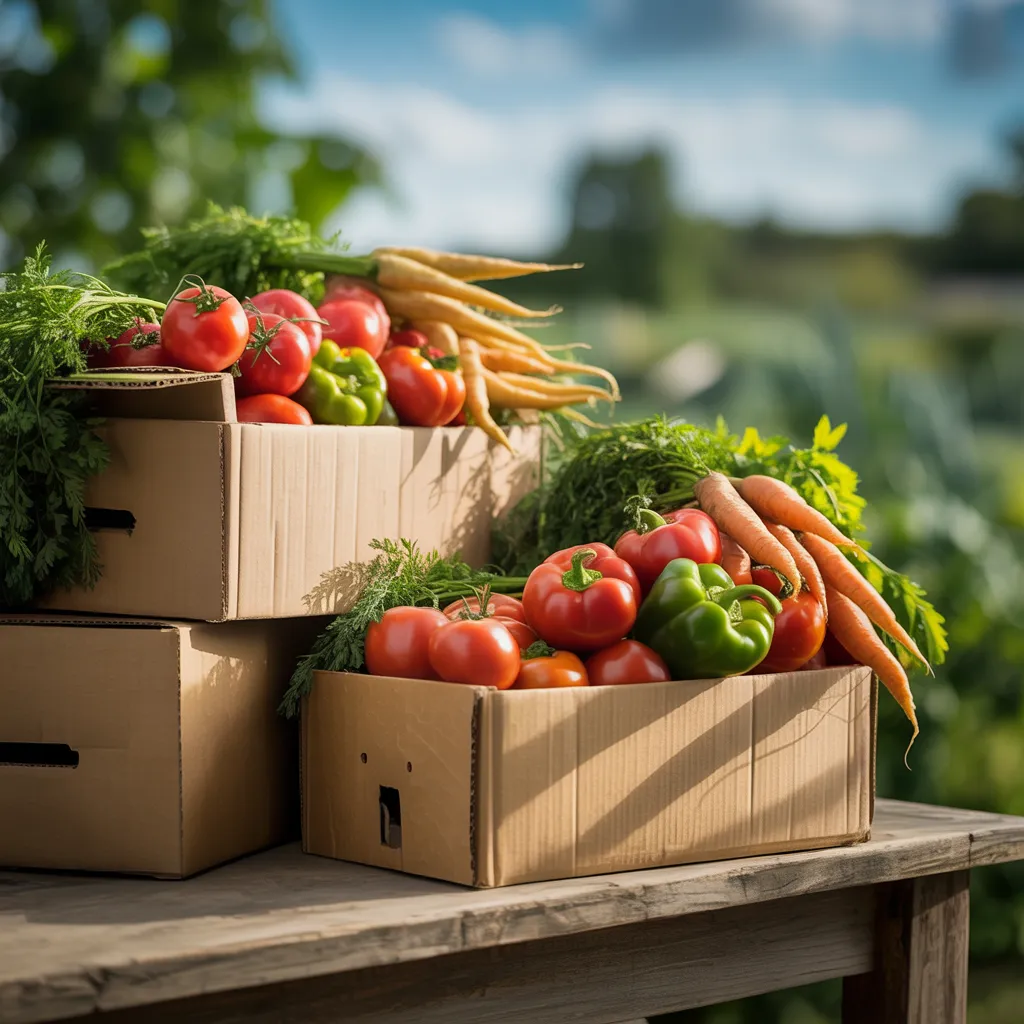
Shipping and handling considerations play a significant role in determining the proper dimensions and shape of specialized agricultural boxes. The dimensions must hold the goods without excessive room, which could lead to shifting and damage throughout transit. Smaller, compact boxes assist with easier handling, while bigger containers may be needed for larger products. Additionally, proper design is essential; grips or openings should be strategically positioned to permit comfortable raising and carrying. The structure of the container also affects stacking and stability, making sure that products remain secure. In the end, careful consideration of such aspects boosts the productivity of delivery, cuts down product loss, and upholds the overall integrity of the fresh items from farm until end user.
Optimize Shelf Space Usage
Smart storage space management is based on establishing the proper size and shape of custom storage containers. Developers should factor in the dimensions of the shelving units as well as the types of produce being held. Standard-shaped boxes often strengthen space efficiency, allowing for easier arrangement and stacking. Alternatively speaking, irregular designs can heighten aesthetic quality but may result in wasted space if not thoroughly considered.
It's important to analyze the stock circulation rate; rapidly-moving items might benefit with smaller, conveniently positioned boxes. Also, adopting adjustable or flexible frameworks can facilitate different sizes of items while maximizing storage layout. By highlighting practicality with visual appeal, businesses can build a functional and visually compelling presentation that elevates both accessibility and item visibility.
How to Design Visuals That Grab Attention?
Compelling graphics can reshape a simple custom produce box into a beautiful showcase that draws attention. To reach this, visual artists should start by picking a color combination that conveys the freshness and brightness of the produce. Luminous, eye-catching colors can evoke feelings of freshness and health, motivating consumers to take a further look.
Strong typefaces remains equally important; readable typefaces can effectively communicate essential information while enhancing design attractiveness. Moreover, employing superior photographs of the produce can form instant engagement, highlighting the item's caliber and compelling potential buyers.
Furthermore, introducing unique patterns or illustrations can help differentiate the brand in a busy market. Alignment in design elements, such as logos and taglines, solidifies brand identity. Ultimately, a fusion of creativity and clarity in design work can greatly elevate the impact of custom produce boxes, making them gain attention on shelves.
Eco-Friendly Practices for Personalized Produce Box Packaging
An growing number of businesses are implementing sustainable solutions for custom produce box packaging, acknowledging its importance in today's green-minded market. These methods often involve the use of compostable materials, such as recycled paper and plant-based plastics, which minimize environmental impact. Companies are also focusing on sustainable sourcing, confirming that materials are obtained from responsibly managed forests or suppliers who prioritize environmental stewardship.
Additionally, many brands are choosing minimalistic layouts that reduce waste while still effectively showcasing their products. This approach not only appeals to eco-conscious consumers but also helps in cutting down production costs. Moreover, businesses are increasingly adopting streamlined manufacturing processes that restrict energy consumption and waste generation. By integrating these sustainable practices, companies not only improve their brand image but also contribute positively to the planet, matching their operations with a sustainable future.
Testing Your Personalized Produce Box Layout
Assessing the design of custom produce boxes is a vital stage in verifying they meet both visual and operational specifications. This method typically entails examining factors like durability, scale, and ease of use. First, test versions should be built to test the container's structural integrity, ensuring it is able to endure transportation and warehousing without compromising the contents.
Afterwards, usability reviews can be done to figure out how without difficulty the boxes can be accessed, closed, and nested. Opinions from likely users can be invaluable in this juncture, presenting viewpoints into the box's practical application.
Moreover, the visual attractiveness of the design should be tested through focus group discussions or customer surveys, gauging consumer reactions to brand identity elements, hues, and overall presentation.
In the end, rigorous testing enables designers to enhance the box, guaranteeing it not only attracts customers but also effectively safeguards and displays the produce within, achieving the right balance between form and function.
Efficiently Publicize Your Made-to-Order Produce Boxes
Impactful marketing of custom produce boxes requires a strategic approach that highlights their unique features and benefits. Businesses must focus on pinpointing their intended customers, whether they are local farms, grocery stores, or individual consumers. Capitalizing on social networking sites can amplify market visibility, presenting the boxes' appearance and functionality through engaging visuals and storytelling.
Additionally, establishing partnerships with local influencers or farmers can strengthen credibility and enlarge reach. Featuring promotions or discounts during peak demand times can capture early customers and support sustained patronage.
Furthermore, emphasizing sustainability and eco-friendliness in promotional messaging can appeal to sustainability-focused buyers. Communicating in-depth information about material sources and the benefits of custom packaging can further set apart the product in a saturated marketplace.
Ultimately, a thorough advertising plan that blends web-based and community-based activities will successfully publicize custom produce boxes, attracting a diverse clientele and generating sales.
Frequently Requested Questions
What Expenses are Included in Custom Produce Box Customization?
Fees part of custom produce box design feature materials, print services, labor requirements, and delivery costs. Additionally, design services and minimum order quantities can impact overall costs, leading to variable pricing based on specific needs and manufacturing size.
How long Does It Take to Create Custom Boxes?
Producing customized boxes usually demands two to six weeks. Determinants that influence this duration include design complexity, materials sourcing, and production capability, each of which might impact delivery schedules and processing times.
Can I Acquire a Compact Quantity of Made-to-Order Produce Boxes?
Yes, modest amounts of custom produce boxes can typically be purchased. Many suppliers provide base order requirements, allowing companies or people to acquire customized packaging options without needing to commit to substantial volumes at first.
What Common Mistakes Should You Steer Clear Of When Designing Custom Boxes?
Typical mistakes in custom box layout involve overlooking functionality, ignoring brand consistency, undervaluing material quality, failing to take into account target audience preferences, and disregarding environmental impact. Each aspect is essential for effective packaging and customer satisfaction.
How Can I Make Sure My Boxes Comply with Food Safety?
To ensure boxes remain safe for food consumption, you should choose materials approved for food contact, avoid dangerous inks and adhesives, preserve cleanliness during production, and consistently monitor for compliance with health regulations and safety standards.